

The Asteroids — Astrology Encyclopedia | Birth Chart Horoscopes

The Asteroids

the feminine intelligences

Right nowRetrograde now: Pallas, Vesta, Amor, Eris and Sedna

Between Mars and Jupiter lies the asteroid belt, a wide ring of rocky bodies. Four of the largest, Ceres, Pallas, Juno, and Vesta, were discovered between 1801 and 1807 and named for Roman goddesses. They became part of everyday astrology in the 1970s, when astrologers wanted words for experiences the traditional planets didn't fully describe. This section also includes Lilith, the Black Moon. She is not an asteroid but a calculated point: the spot where the Moon's orbit carries it farthest from Earth. Tradition groups her with the four goddesses, and so do we.

About the asteroids

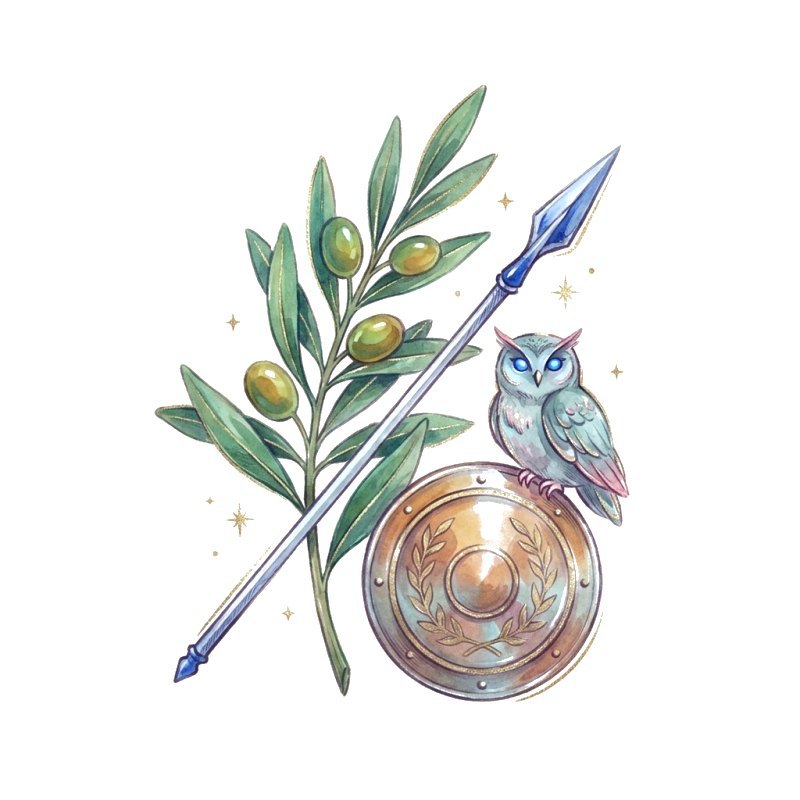
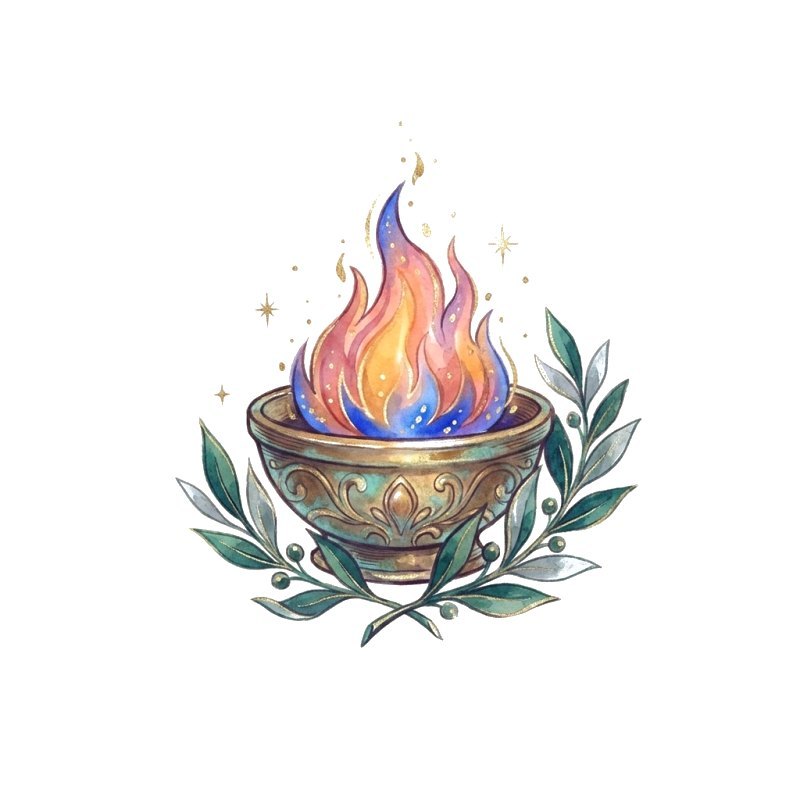
Each one sharpens a theme the older planets only sketch. Venus shows what you love and Mars shows what you want, but Juno describes partnership itself: the promises you make, the fairness you expect, and the jealousy that flares when one person seems more committed than the other. The Moon shows how you nurture by instinct, while Ceres covers the whole cycle of care, from feeding a child or a friend, to letting them go, to missing them. Pallas is strategic intelligence, the mind that spots the pattern and sees five moves ahead. Vesta is devoted focus, the ability to keep a flame going without burning out. Lilith marks where you refuse to be tamed, where you would rather be left out than edited to please someone.

These are small bodies, and their influence is more specialized than a planet's. You may not notice your Pallas on an ordinary Tuesday, but she shows up when you untangle a scheduling mess at work or read the politics in a meeting before anyone speaks. Vesta stays quiet in the background of your work habits, your commitments, and your need for time alone. Like the smell of a familiar house, they're easy to miss until you notice them. They add detail to the story your chart already tells; they don't contradict it.

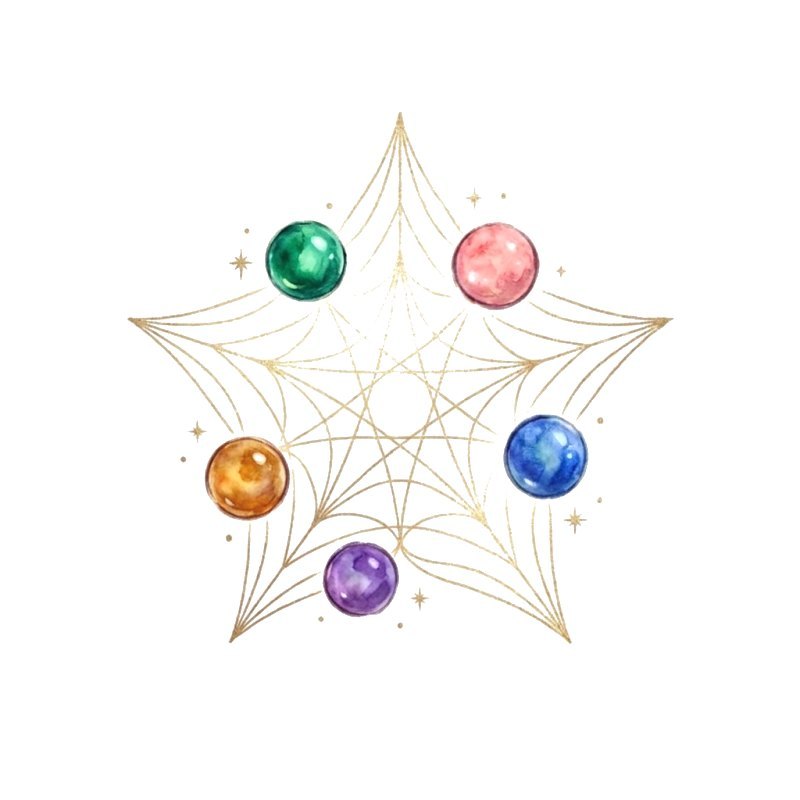
Below are the five points most commonly tracked in modern astrology, each one opening a room in your chart you may not have mapped yet. They aren't the whole picture, but they are a useful part of a language astrologers are still building.

The asteroids ask different questions than the planets do. Saturn asks what structure will hold you; Vesta asks what is worth protecting. Venus asks what you desire; Juno asks how you share power. Read them after the core of your chart: the Sun, Moon, rising sign, and the planets that aspect them. When an asteroid sits close to one of those points, or repeats a theme you've already spotted, give it weight. If the planets are the main chords of your chart, the asteroids are the notes that make the song recognizably yours.
The Asteroids, answered

Are the asteroids as important as the planets?

Not in the same way. The planets are the foundation, and your Sun, Moon, and rising sign will always carry the most weight. The asteroids add nuance and detail, especially around partnership, care, strategy, focus, sexuality, and independence. Think of them as seasoning rather than the meal. Still, in some charts an asteroid sits on a key point, such as conjunct the Sun or the Ascendant, and then it can explain a great deal.

Why are these five asteroids considered 'feminine'?

They carry goddess names, but the bigger reason is historical. They came into wide use during the 1970s, alongside second-wave feminism, when astrologers wanted images of women's lives beyond mother and lover. In practice they aren't gendered. Anyone can show Vesta's focus, Pallas's strategy, or Lilith's refusal to comply. They describe ways of thinking and acting, not identities.

Do I need to know my asteroid placements to understand my chart?

No, but they can name patterns you've felt for years. If you keep bending over backward for partners, Juno may show why. If you need more time alone than your friends do, Vesta could explain it. If you've felt judged for your sexuality or your power, look at Lilith. Start with the planets, and come back to the asteroids when you want the next layer of detail.

Become a member

Wake up to your own sky

Not a one-size sun-sign column — your own private dashboard that reads your whole chart, fresh every morning.

  • Every morning Today’s Guidance, your Sky Alignment and the Moon moving through your houses
  • Ten Celtic Cross readings a month, each read through your chart
  • Fifteen questions a month for your Personal Astrologer
  • The Monthly Forecast a fresh one every month, dated
$11.33/month
Start the 3-day free trial

The first 3 days are free · then $11.33 a month · cancel any time · see every room