The essence
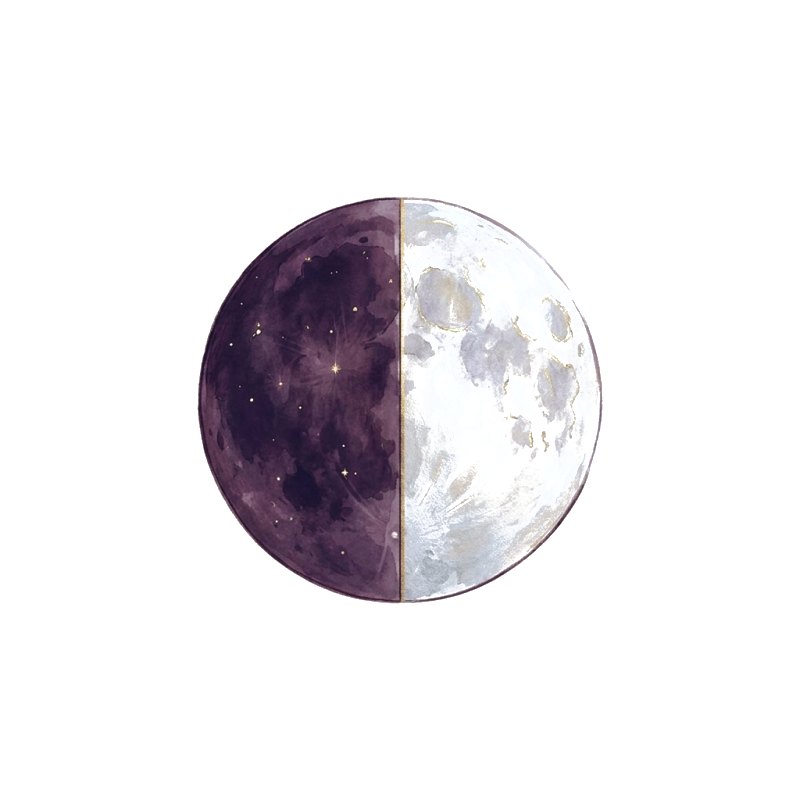
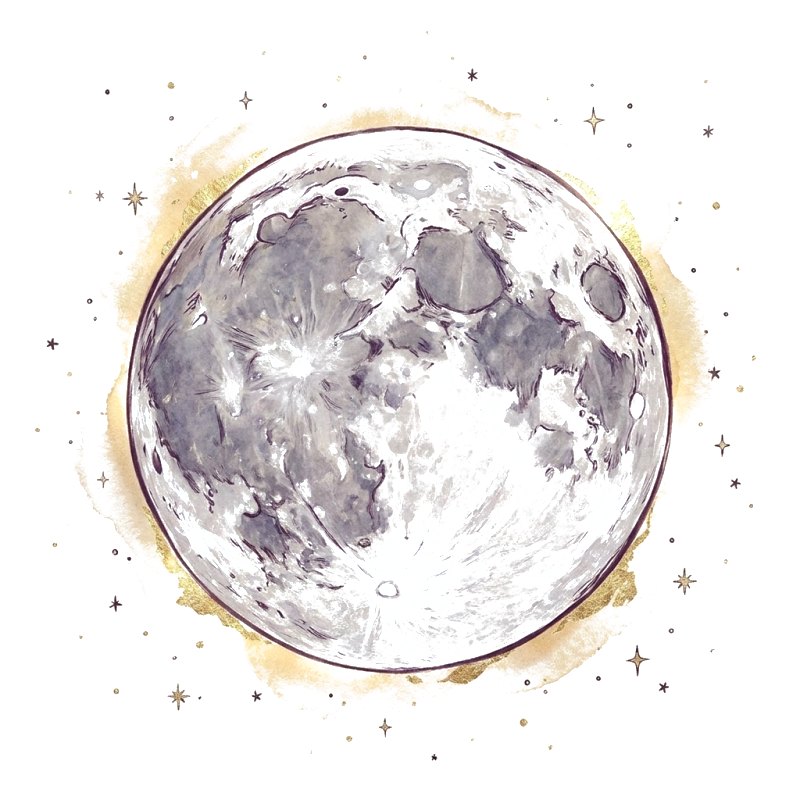
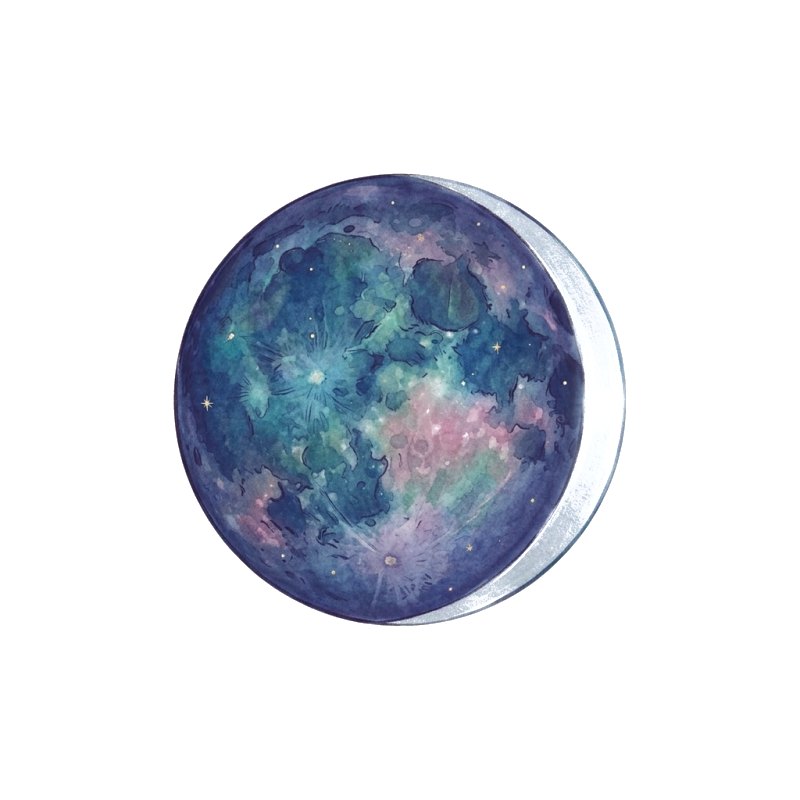
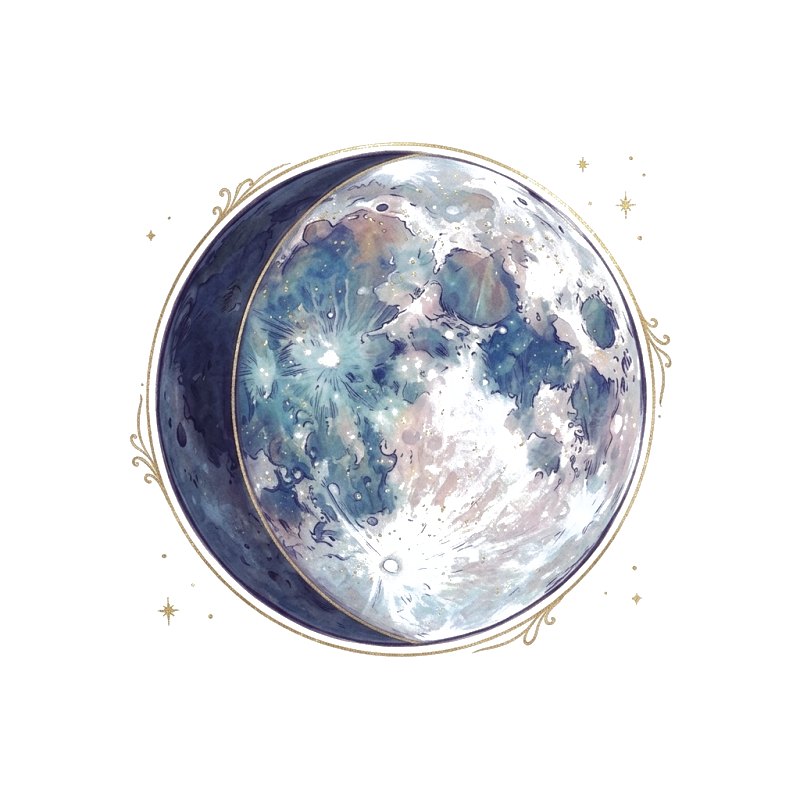
Astrologers who use the eight-phase cycle, popularized by Dane Rudhyar in The Lunation Cycle, place the Gibbous Moon between 135 and 180 degrees ahead of the Sun. That covers the stretch from about 85 percent lit to full. Astronomers use the name more broadly for everything between the First Quarter and the Full Moon. The word comes from the Latin gibbus, meaning "hump," for the bulging shape of the lit face. This Moon rises in the afternoon, climbs the eastern sky as dusk falls, and sets in the small hours after midnight. There is more light than shadow, but the shadow is still there.
Symbolically, this is the phase of anticipation and adjustment. Think of the farmer walking the field a few days before harvest, checking for ripeness and mending a fence. Or think of the cook tasting the sauce an hour before guests arrive. You are close enough to see what is coming and still early enough to change it. Rudhyar linked this phase to analysis and the search for meaning. It asks not only "Is it done?" but also "Is it what I meant?" Its particular tension is the pull between doing more and trusting what is already done.