
About the planets
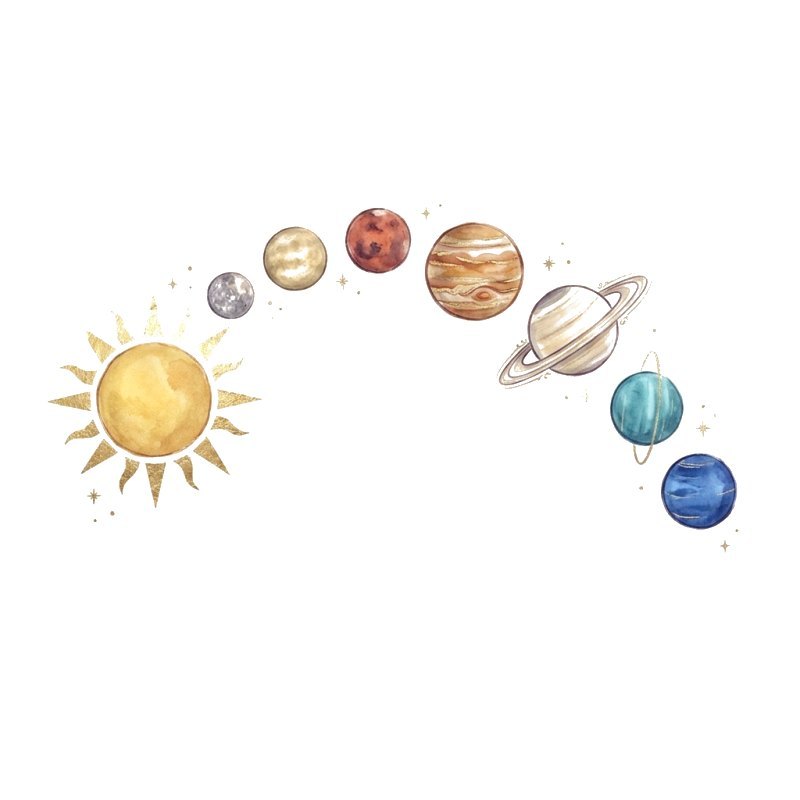
Astrologers speak of ten planets even though the Sun is a star and the Moon is Earth's satellite. In the chart they do the same work as the true planets: they travel through the zodiac and set things in motion. Each one governs a part of human experience. Venus, for example, has a say in who you fall for and how you like to spend a free Saturday. A planet's position in your chart, by sign and house, tells you two things: how that part of you tends to behave, and where in your life it keeps showing up.
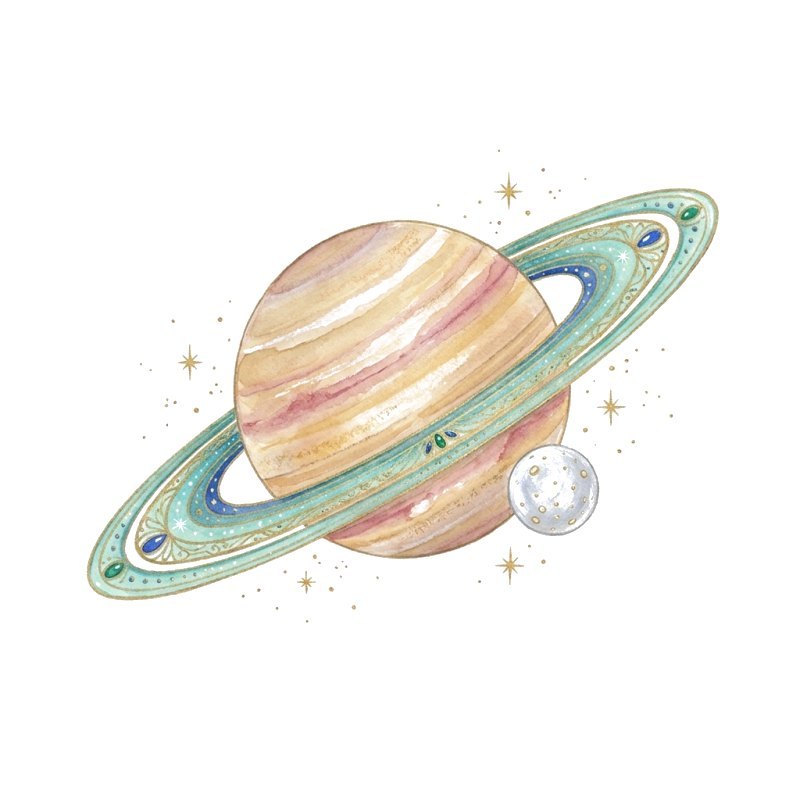
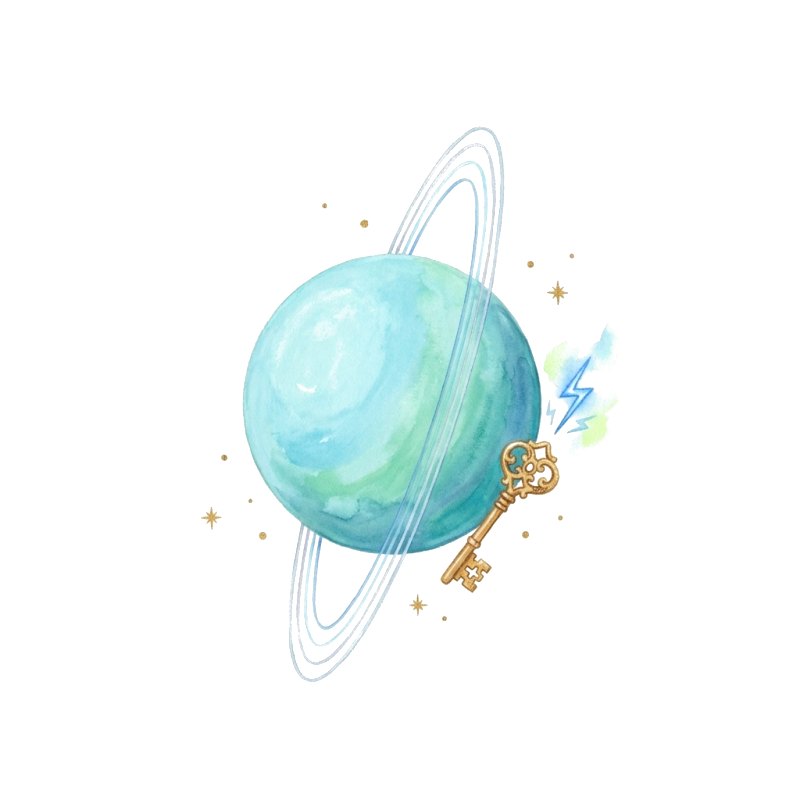
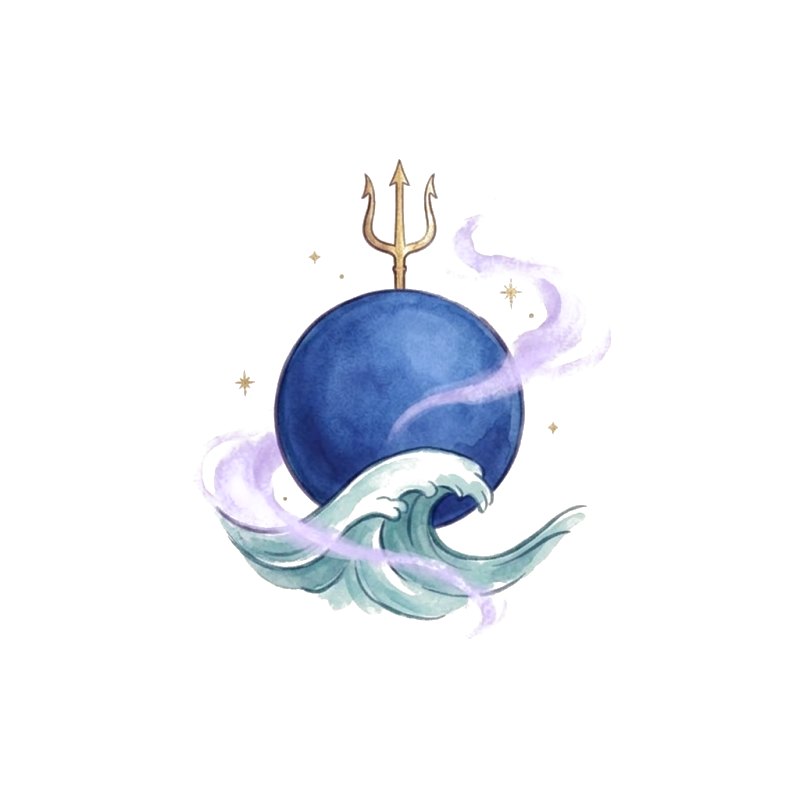
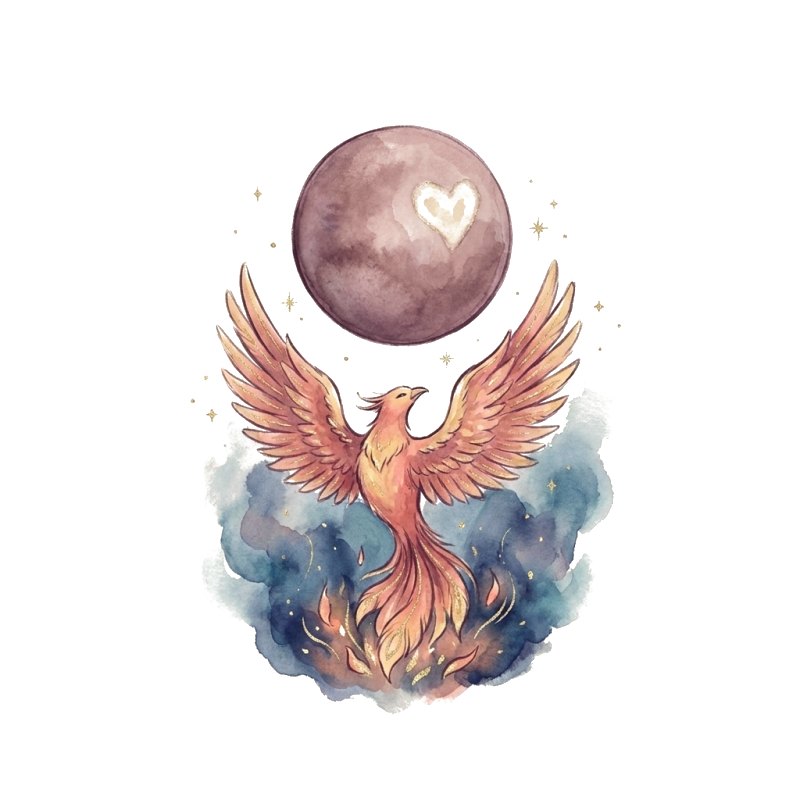
The planets also move at very different speeds, and speed shapes their meaning. The Sun takes a year to circle the zodiac, and the Moon takes just under a month. Mercury and Venus never stray far from the Sun, and Mars usually changes signs every six or seven weeks. These personal planets describe how you think, love, and stand up for yourself. Jupiter and Saturn, the social planets, connect your personal life to the wider world, taking about twelve and twenty-nine years to complete a cycle. Uranus spends about seven years in each sign, Neptune about fourteen, and Pluto anywhere from twelve to thirty. Most of your classmates share your outer planet signs.
Below you'll find a page for each of the ten. Each page covers the mythology behind the planet, what it says about you, and how it tends to play out at work, in friendships, and at home.
The planets are the what of astrology: the drives and needs that move you. The signs describe how each planet expresses itself, giving it a style and temperament. The houses show where it acts, whether that's your career, your relationships, or your home life. Put a planet, a sign, and a house together and you have a full sentence in the language of the chart. Learning the ten planets first gives you the cast of characters, so the rest of your chart starts to make sense.