Free Transit Chart — Today's Sky Over Your Birth Chart (Bi-Wheel)

Today’s Sky, Circling Your Chart

Your birth chart was set the moment you arrived, but the sky has kept moving ever since. Right now, some planets are resting directly on the degrees you were born with. Tell me where you live, and I’ll wrap today’s sky around your wheel.

  • Your transit bi-wheelyour natal chart at the centre, today’s sky as the ring around it, from the Swiss Ephemeris
  • Your three strongest transitsthe slowest, tightest contacts to your chart right now, each in plain words
  • The whole sky over your cityevery planet, in your houses where you live now, or for any moment you choose
  • Free
  • Saved to your account
  • Ready in under a minute
Enter your birth details
1IAbout you
2IIWhen and where you were born
No problem. I’ll cast for noon: every planet’s sign stays right, and the houses are marked as approximate until you add your time.
Please click your city from the list to lock in your coordinates and timezone.
3IIIWhere you live now your houses turn with the ground
Please click your city from the list to lock in your coordinates and timezone.
The moment
Cast the sky for any moment, past or future, in your city’s local time.
By submitting, you'll create a free account where your chart is saved. We'll email you a sign-in code, and now and then a letter about your chart and new tools. Unsubscribe in one click, any time. Privacy →

The wheel within the weather

Your chart stays still; the sky keeps turning around it. Here is how to read the two together.

The bi-wheel

Two skies, one chart

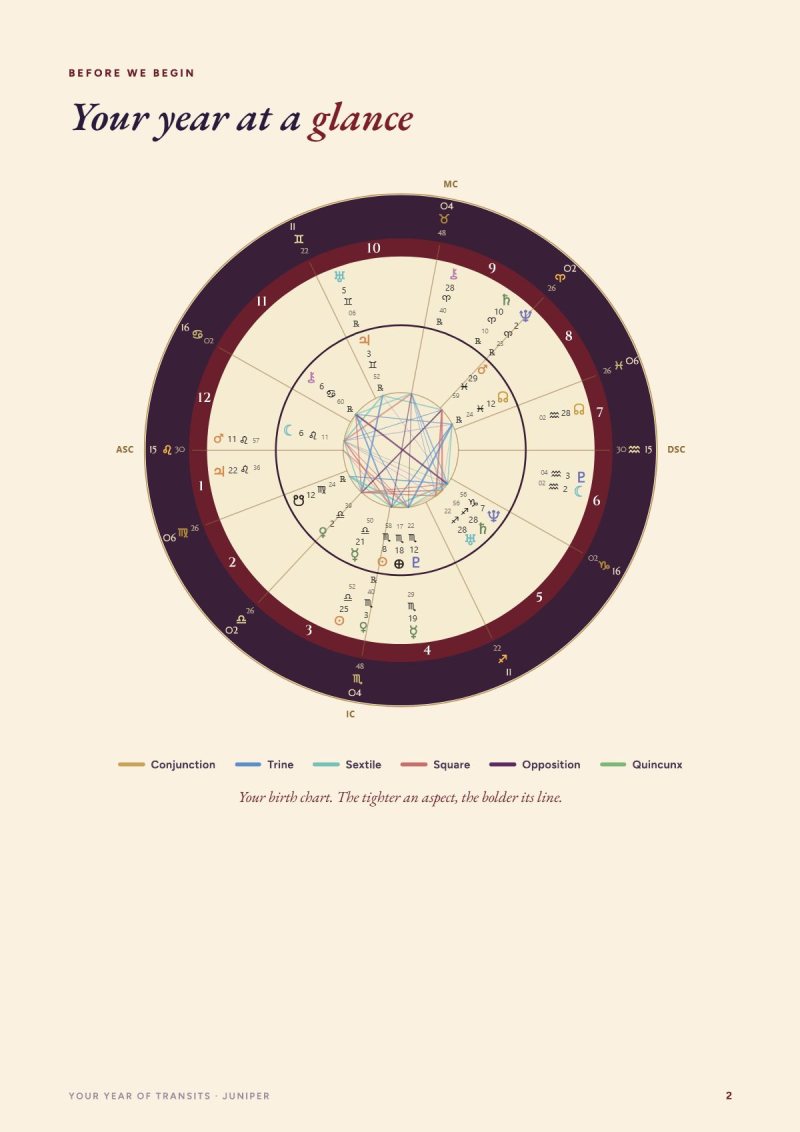
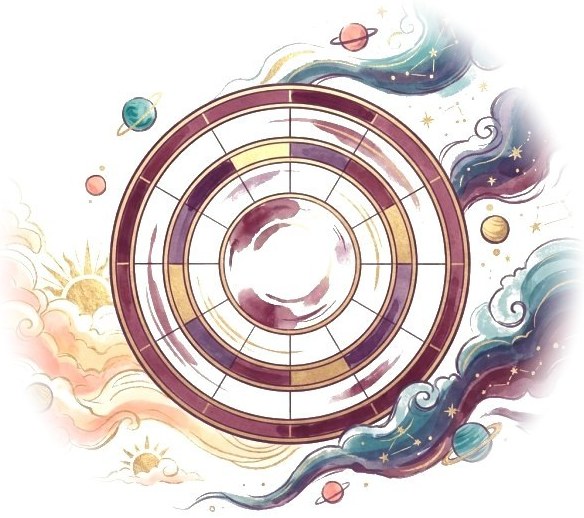
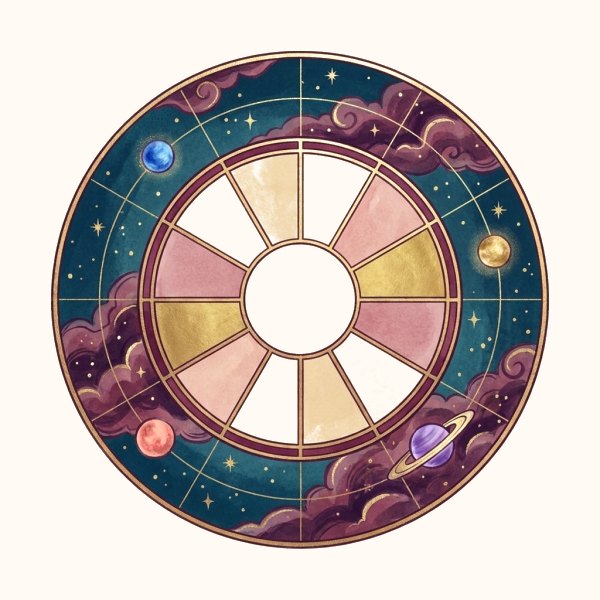
This is the bi-wheel: your natal chart sits at the centre, and today’s sky circles it as an outer ring. Every planet is at an exact degree right now, and some of them sit directly on the degrees of your birth. The houses are drawn from where you stand, so your chart is cast for the city you live in now. It’s the same sky, landing in the rooms of your real life: your home, your work, your relationships.

The knock at the door

A transit is a visit

When a moving planet forms an exact angle to one of your birth planets, its themes come knocking on that part of your life. Saturn arrives as the examiner, testing what you’ve built; Jupiter as the open road; Pluto as the slow excavation that brings buried things to light. The slow planets visit rarely and linger, and theirs are the visits worth answering. Your free chart finds today’s strongest contacts and names them in plain language.

the sky in motion

The Transits Library

Ready to see your own sky? Cast My Transits

Transits, answered

What is a transit chart?

A transit chart places today's planets around your natal chart in a bi-wheel. Your birth chart stays the same while the sky keeps moving. Whenever a moving planet forms an angle to one of your natal placements, that area of life wakes up. Sometimes it arrives as an opening, like a new job offer or a fresh friendship. Sometimes it arrives as pressure. Either way, it's weather worth knowing about.

What is a bi-wheel in astrology?

A bi-wheel is two charts drawn as one. Your natal chart forms the inner wheel, and a second set of positions, here the current sky, forms the outer ring. Reading the two together shows exactly which of your natal planets today's sky is touching, and from which direction. For example, you can see at a glance whether Saturn is pressing on your Moon or Venus is passing over your Sun.

Why does my current location matter for transits?

The planets occupy the same degrees everywhere on Earth, but the houses, the twelve rooms of life, depend on where you stand. Cast the chart from your current city and the house wheel turns. A transit that would fall in your career house at your birthplace might land in your home house where you live now. That's why this chart asks where you live today.

How long do transits last?

It depends on the planet. The Moon crosses a natal point in a matter of hours. The Sun, Mercury and Venus take a day or two, and Mars about a week. Jupiter's visits stretch over weeks and Saturn's over months. When Uranus, Neptune or Pluto engage a natal planet, the conversation can last two or three years, often in several passes as the planet retrogrades back over the same degree.

Which transits matter most?

The slow ones. Fast planets color a single day, while Saturn, Uranus, Neptune, Pluto and Chiron reshape whole seasons of life. An exact aspect from a slow planet to your Sun, Moon or chart angles is the headline, while a Moon transit is more like a passing mood. That's why this chart leads with the slowest, tightest contacts active for you right now.

Is the transit chart free?

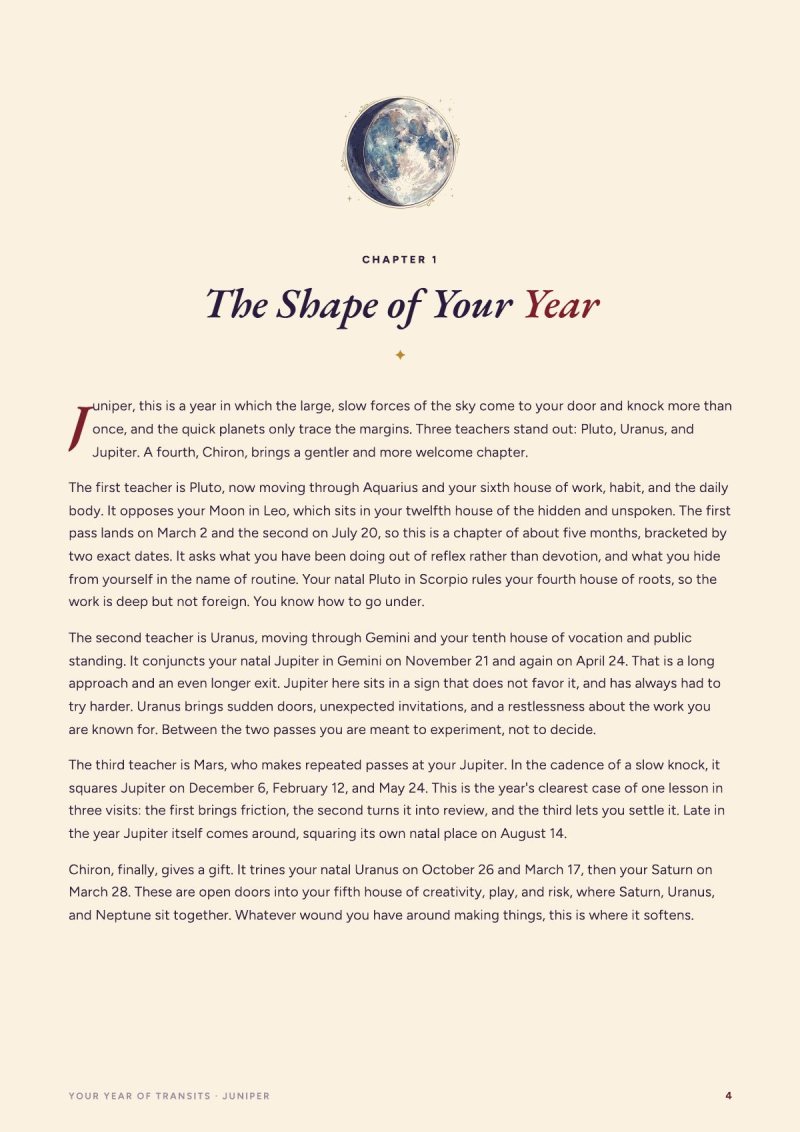
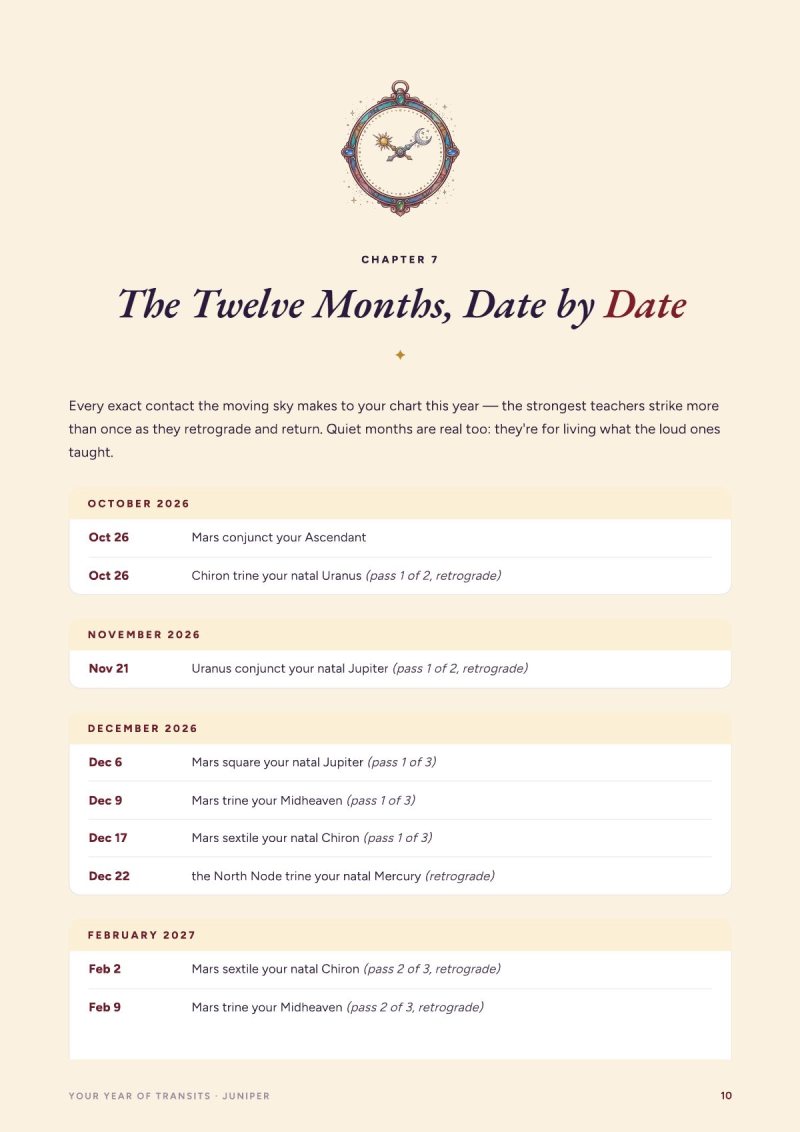
Yes. The bi-wheel of today's sky over your natal chart, cast for your current city, is free, along with your three strongest active transits with explanations. You get three casts a day, saved to a free account. If you want the whole year, Your Year of Transits ($11.33, one time) dates every exact contact for the next twelve months and is saved in your account.