The essence
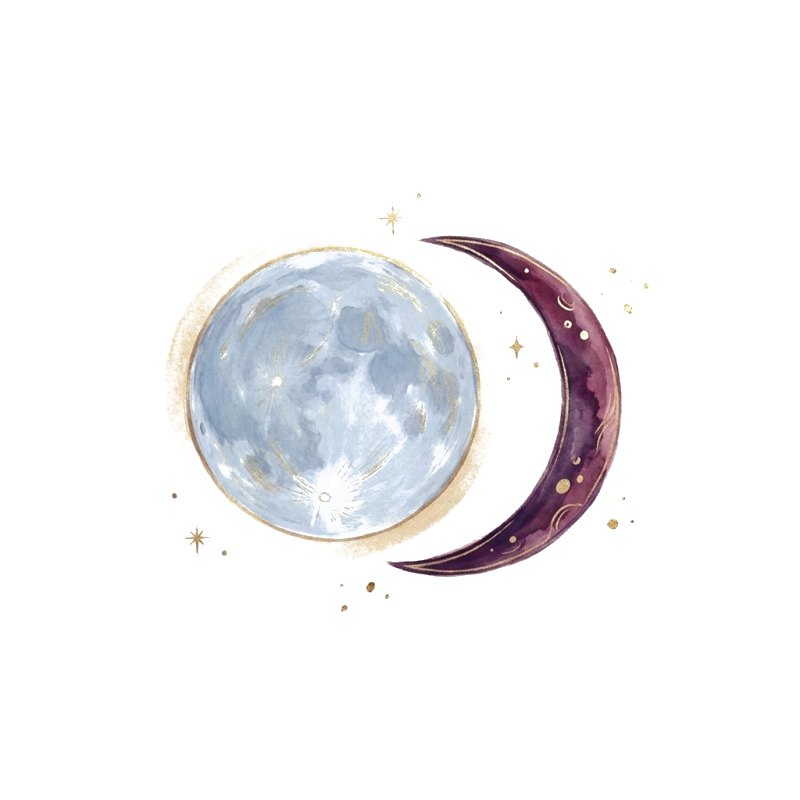
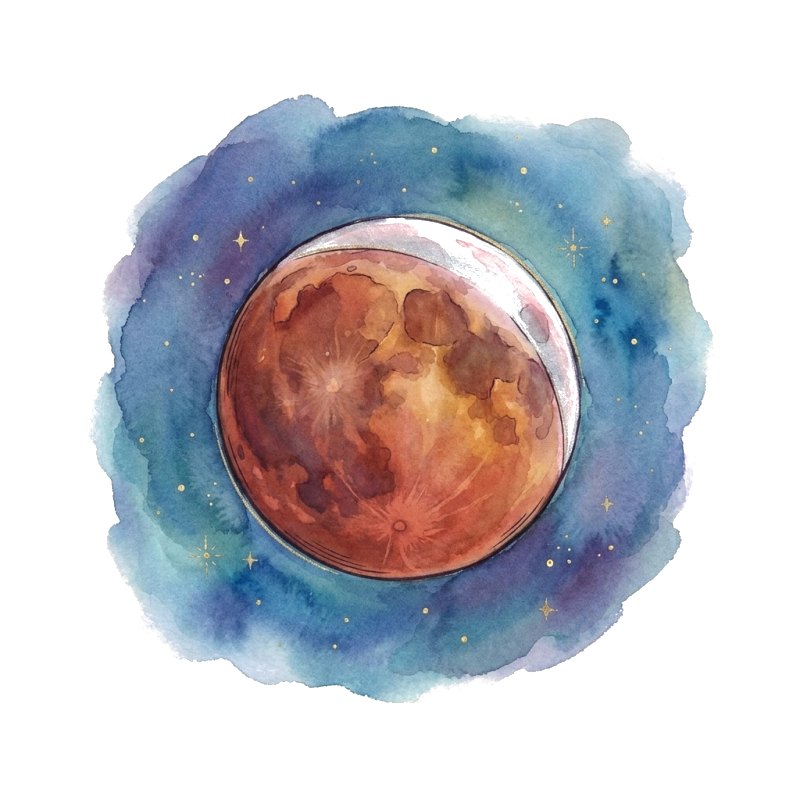
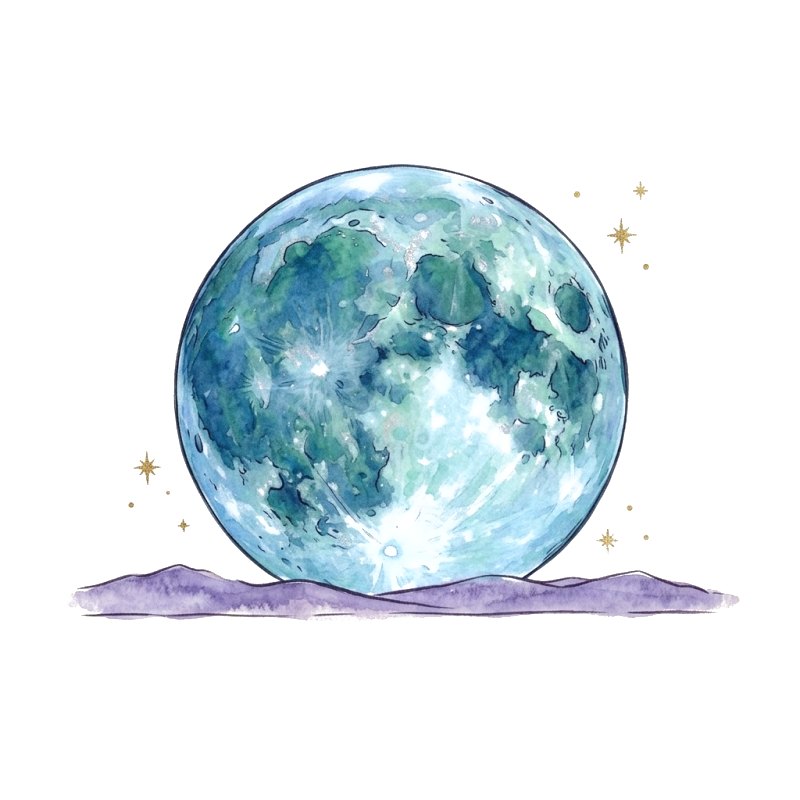
The Moon's orbit is an ellipse, not a circle. At apogee it swings out to about 251,000 miles from Earth. At perigee it closes to roughly 226,000. When a full moon lines up with perigee, usually three or four times a year and often in consecutive months, we call it a supermoon. Astrologer Richard Nolle coined the word in 1979 and defined it as a new or full moon within 90% of the Moon's closest approach. Astronomers have since picked up the term, though many still prefer "perigean full moon."
The closer Moon does pull a little harder. Perigean spring tides run a few inches higher than usual, a measurable effect you can see on a beach. Myth has long tied the Moon to water, cycles and the body. Selene drove her silver chariot across the night sky, Artemis watched over childbirth, and the Moon has always been the mirror that reflects the Sun's light rather than making its own.
Astrologically, the Moon rules feeling, habit and need. A supermoon brings those closer to the surface, the way a high tide shifts what lies along the shoreline.