The essence
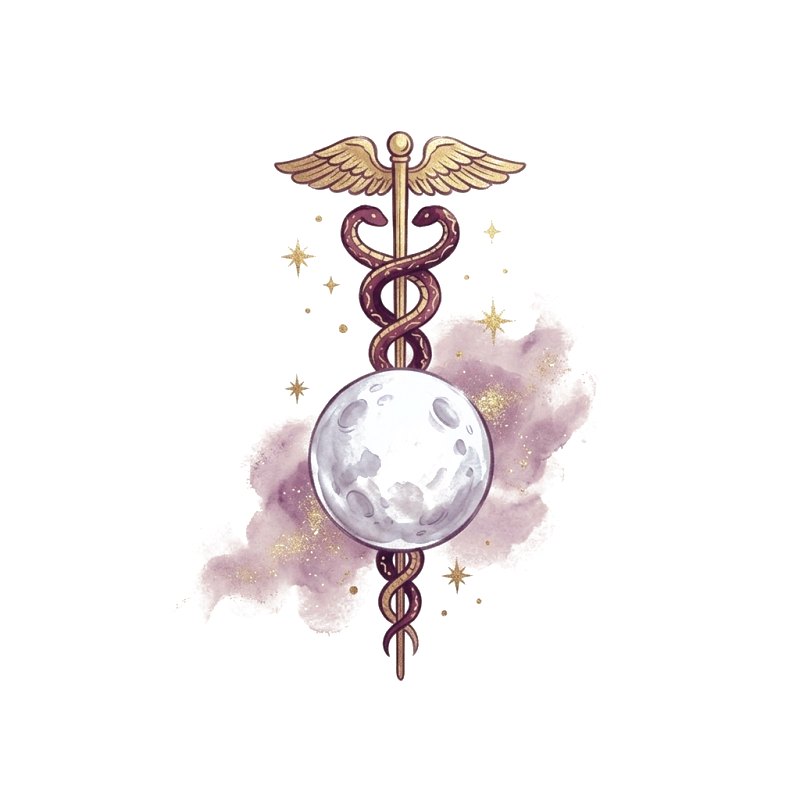
In Greek myth, Mercury is Hermes, son of Zeus and the nymph Maia. On the day he was born, he made the first lyre from a tortoise shell, stole his brother Apollo's cattle, and then talked his way out of trouble. He became the messenger of the gods. He wore winged sandals, carried the caduceus, and guided travelers, merchants, thieves, and the dead on their way to the underworld. The Romans called him Mercury, a name related to the Latin word for merchandise, and in French, Spanish, and Italian the word for Wednesday still carries his name. He belongs to anything that moves between two parties: trade, conversation, contracts, translation.
In astrology, Mercury rules two signs. In Gemini it gathers, asks, and connects. In Virgo it sorts, checks, and improves. Tradition also places its exaltation in Virgo, while some modern astrologers place it in Aquarius, where thought turns detached and inventive. It works less easily in Sagittarius and Pisces, the signs opposite its homes, where the big picture and feeling matter more than detail.
Mercury is the smallest planet, with no moons and almost no atmosphere. It never appears more than about 28 degrees from the Sun, so you can only catch it low in the sky at dawn or dusk. In your chart it describes your cognitive style: what you notice, how you name it, and how you explain it to someone else.